How a Bicycle Accident Lawyer Helps You Focus on Healing
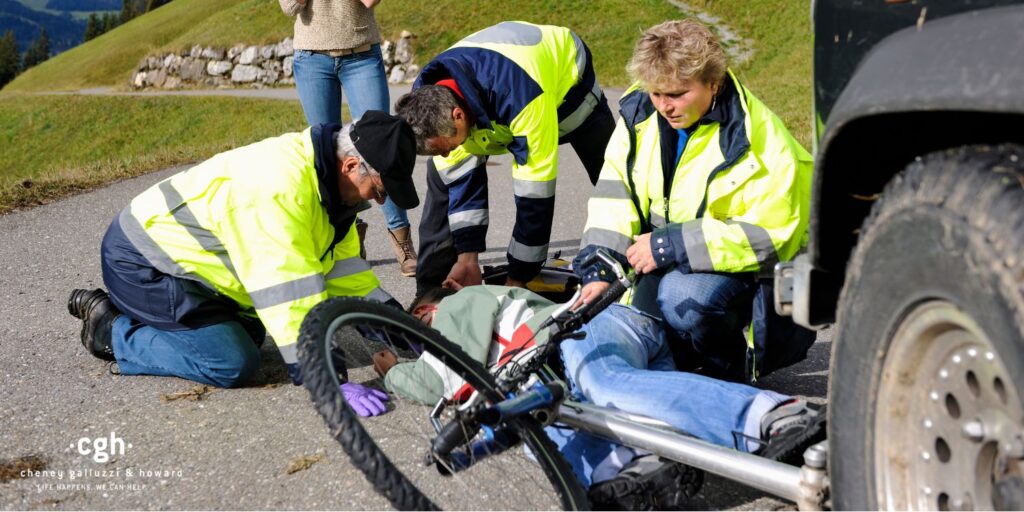
A bicycle crash can split life into a clear before and after. One moment you are riding to work, training for a weekend event, or heading home from the store. The next, you are on the pavement trying to understand pain, noise, and confusion. https://cghinjurylawyers.blogspot.com/ Even a low-speed collision can leave a rider with broken bones, road rash, a concussion, dental damage, or a shoulder injury that changes sleep, work, and daily movement for months.
What catches many people off guard is not only the physical injury. It is the administrative wreckage that follows. Medical appointments multiply. Bills begin to arrive before the body has even had time to settle into recovery. An insurance adjuster calls and sounds friendly enough, but the questions are precise and loaded. A damaged bike sits in a garage, often worth far more than the insurer assumes. Missed paychecks create pressure at home. Friends may say, “Just let insurance handle it,” but anyone who has seen these claims up close knows that “handling it” is rarely simple.
That is where a Bicycle Accident Lawyer can change the experience. The right lawyer does more than file paperwork or argue about settlement numbers. A good one removes pressure from an injured person at exactly the time that pressure does the most harm. When a rider can hand off the legal and insurance burden to someone who knows the terrain, healing gets room to become the main job.
The first days after a crash are often the most vulnerable
In the first week after a bicycle collision, facts are messy. Pain can mask injuries. Adrenaline distorts memory. A rider may tell a police officer or driver, “I think I’m okay,” only to wake up the next morning unable to turn their neck or put weight on a wrist. That is common, not suspicious. Soft tissue injuries, concussions, and some fractures do not always announce themselves fully at the scene.
Insurance companies know this. They also know that injured people want closure. An early call may seem harmless, but it often serves a strategic purpose. Adjusters try to lock in statements before the full extent of injury and disruption becomes clear. They may ask how fast you were riding, whether you had lights, whether you were in the bike lane, whether you looked both ways, whether you are feeling better now. Each answer can be used later to reduce the claim, shift blame, or suggest that the harm was minor.
A Bicycle Accident Lawyer steps into that gap early. Instead of letting the claim be shaped by incomplete information and hurried conversations, the lawyer starts preserving evidence and controlling communication. That alone can spare an injured rider from one of the most exhausting parts of recovery, repeating the same painful story to strangers while trying not to say the wrong thing.
Healing is hard enough without becoming your own case manager
People tend to underestimate how much work a serious injury creates. Recovery is not just about resting. It often means coordinating primary care, orthopedics, physical therapy, imaging, medication questions, follow-up visits, and transportation. If the rider cannot drive or carry things comfortably, even basic errands become more complicated. Parents still need to parent. Employees still need to respond to work. Self-employed people may have no paid leave at all.
On top of that, someone has to gather records, photograph injuries, save receipts, track time missed from work, document bike damage, and deal with multiple insurance carriers. There may be the driver’s insurer, the cyclist’s own auto insurer, health insurance, disability coverage, and in some cases a homeowner or umbrella policy. That web can be confusing even for organized people. For someone taking pain medication and trying to sleep through rib injuries, it can be overwhelming.
A capable lawyer acts as a practical buffer. They request records, obtain the police report, identify available coverage, and create a timeline before details fade. They also know what is likely to matter later. A scar, a cracked helmet, a replacement carbon wheel, a canceled contract, a physical therapist’s note about limited range of motion, these are not random details. In the right hands, they become part of a coherent picture of loss.
What a lawyer actually does behind the scenes
From the outside, legal work can seem abstract. Clients often imagine a lawyer spends most of the time negotiating by phone or preparing for court. In reality, the early and middle stages of a bicycle injury claim are meticulous. Much of the value comes from the details handled quietly, steadily, and often long before a settlement discussion becomes serious.
A Bicycle Accident Lawyer usually starts by investigating liability. That means looking beyond the driver’s version of events. Was the driver turning across a bike lane? Did they open a door into traffic? Were they distracted, speeding, or failing to yield? Was there a road design issue, poor sightline, malfunctioning signal, or construction hazard? In some cases, the driver is not the only responsible party. A commercial vehicle employer, a rideshare company, a municipality, or a contractor may also be involved.
The lawyer also evaluates damages in a way injured people often do not. Most clients think first about the emergency room bill and the smashed bike. Those matter, but they are only part of the picture. Lost wages, future treatment, reduced earning capacity, permanent limitation, pain, scarring, and the loss of activities that used to shape daily life all matter too. For an avid cyclist, being unable to ride for a year is not a minor inconvenience. For a surgeon, mechanic, dentist, or carpenter, a wrist injury can change earning potential long after a fracture technically heals.
A seasoned lawyer knows when to wait. That patience can be one of the greatest gifts to a recovering client. Insurance companies often dangle early money when medical uncertainty is still high. An injured person with rent due may be tempted to accept. But a claim settled too soon cannot usually be reopened because therapy took longer than expected or because headaches turned out to be post-concussive symptoms that lingered for months. Good counsel slows the process just enough to see the real shape of the injury.
The hidden value of taking over communication
One of the least appreciated parts of representation is communication control. After a crash, every call can raise your heart rate. Insurers ask for statements. Medical billing offices ask for payment details. Repair shops ask whether the bike is being replaced or rebuilt. Employers ask when you are coming back. Family members ask for updates when you barely understand the situation yourself.
When a lawyer takes over communication with insurers and opposing counsel, the effect is immediate. The client is no longer the intake desk, switchboard, and historian for the case. That reduction in stress matters. It is not just a comfort issue. Stress can interfere with sleep, concentration, and treatment follow-through. A person recovering from a concussion, for example, may struggle with screen time, paperwork, and repeated conversations. Offloading those tasks is not laziness. It is often medically sensible.
There is another benefit. Lawyers know how to communicate in ways that preserve the claim. Casual statements can be taken out of context. So can social media posts. A rider who posts a smiling photo from a family gathering may simply be trying to feel normal for an hour, but an insurer may use that image to argue that the injuries were overstated. Counsel helps clients avoid these common traps without turning them into fearful spectators in their own lives.
Bicycle cases are different from ordinary car accident claims
Some people assume a bicycle injury claim is just a smaller version of a car accident case. It often is not. Bicycle crashes present unique issues that many general practitioners do not see often enough to handle instinctively.
Cyclists are vulnerable in ways drivers are not. A car may sustain a dent. A cyclist sustains the impact directly. Even with a helmet, body injuries are often more severe than the visible property damage suggests. There is also a persistent cultural bias in some places against cyclists. Adjusters, witnesses, and even jurors may carry assumptions that riders are reckless, hard to see, or somehow always in the way. A lawyer familiar with bicycle cases knows how to counter that bias with facts, road rules, visibility analysis, and careful presentation.
Property damage can be misunderstood too. A commuter bike may cost a few hundred dollars, but many road, gravel, mountain, and e-bikes cost thousands. Add electronic shifting, power meters, custom fit components, helmets, shoes, lights, bags, and accessories, and the losses rise quickly. A cracked carbon frame may be unsafe even if the damage looks modest. Lawyers who understand cycling know that “just replace the wheel” is not always a realistic assessment after impact.
There are also recurring liability patterns in bicycle collisions that deserve close attention. Right-hook turns, left-turn failures to yield, dooring, lane encroachment, parking lot exits, and overtaking collisions each raise specific evidentiary issues. A Bicycle Accident Lawyer who has seen those patterns before will know what to ask for, which photographs matter, and why a seemingly small point about lane position can affect the entire claim.
The money question, and why it matters to recovery
Many injured cyclists feel uncomfortable talking about compensation. They worry it sounds opportunistic. That reaction is understandable, especially when the real wish is simply to get back to normal. But compensation in a bicycle injury case is not a windfall concept. It is often what makes recovery logistically possible.
If an injury keeps someone out of work for six weeks, three months, or longer, the household impact can be immediate. Savings vanish quickly. Physical therapy copays add up. Out-of-network specialists may require payment up front. A rider who cannot lift, drive, or use one arm may need help with childcare, transportation, or household chores. If the bike was a primary mode of transportation, replacing it may not be optional.
A lawyer helps quantify those losses in a disciplined way. That includes obvious items like medical bills and less obvious ones like lost freelance opportunities, used vacation time, mileage to treatment, home assistance, and future care needs. The point is not to inflate. The point is to make the losses visible. Insurance systems tend to minimize whatever is poorly documented. Lawyers turn disruption into evidence.
In more serious cases, the financial stakes are larger than most people first imagine. A complicated fracture, traumatic brain injury, spinal damage, or permanent shoulder limitation can affect a person’s career trajectory for years. Future damages are harder to assess than past bills, which is why careful lawyering matters. Settling a claim based only on the first month of costs can be a costly mistake.
Good lawyers also protect clients from avoidable mistakes
Not every risk in a bicycle accident case comes from the other side. Some of the biggest problems come from ordinary mistakes made by injured people who have never had to navigate a claim before.
Here are a few of the errors lawyers often help prevent:
- Giving a recorded statement before the medical picture is clear.
- Repairing or discarding the bicycle and helmet before they are documented.
- Missing notice deadlines, especially when a public entity may be involved.
- Accepting an early settlement before future treatment is understood.
- Posting publicly in ways that create misleading impressions about recovery.
Notice the pattern. None of these mistakes comes from bad intent. They happen because people are trying to move on. A lawyer slows that rush just enough to protect the client’s long-term position.
Public entity cases are a good example. If a dangerous road condition, missing signage, or defective maintenance contributed to the crash, the timeline for making a claim against a city or county can be much shorter than in an ordinary injury case. Many people do not learn that until it is too late. Lawyers who investigate promptly can preserve options that would otherwise disappear.
When liability is disputed, healing can stall without support
Some of the hardest cases are not the most catastrophic injuries. They are the cases where fault is contested. Maybe the driver says the cyclist appeared suddenly. Maybe there were no independent witnesses. Maybe the police report is sparse or wrong on a key detail. Maybe the rider was not exactly where the insurer thinks a bike “should” have been, even though the law allowed it.
When liability is in dispute, the stress level rises fast. Injured people begin to feel as though they are defending their character while also trying to recover physically. That emotional burden is real. A person who was hit can start second-guessing every decision they made in the seconds before impact.
An experienced Bicycle Accident Lawyer grounds the case in evidence rather than anxiety. That may include photographs, intersection measurements, vehicle damage patterns, surveillance footage, helmet damage, medical biomechanics, or witness interviews. Sometimes it means working with an accident reconstruction specialist. Sometimes it means showing that even if the cyclist made a minor error, the driver still had the last clear opportunity to avoid the collision. These are not arguments most injured people can build for themselves while attending therapy three times a week.
Choosing the right lawyer matters as much as deciding to hire one
Not every personal injury lawyer handles bicycle cases well. Some are excellent trial lawyers but know little about cycling dynamics. Others advertise broadly and then hand files to staff with minimal supervision. The fit matters because the quality of representation can shape both the result and the day-to-day experience of the case.
When people ask what to look for, I usually tell them to pay attention to how a lawyer talks about the practical details. Do they understand the difference between a dooring incident and a right hook? Do they ask about the bike, helmet, route, clothing, lights, and road layout? Do they discuss treatment timing, not just settlement value? Do they explain the claim process clearly without making grand promises? That kind of grounded conversation is usually a better sign than flashy marketing.
A useful consultation often gives a rider clarity on several points at once:
- Who may be legally responsible.
- What insurance coverage may apply.
- Which evidence should be preserved immediately.
- Whether the case is likely to benefit from formal representation.
- What the next few months may realistically look like.
That clarity has emotional value. People heal better when uncertainty shrinks.
The lawyer-client relationship should make life easier, not harder
A good legal relationship should reduce workload, not create another source of friction. Clients should know who to contact, how often updates will come, and what decisions truly require their input. They should not feel pressured to exaggerate symptoms, chase every possible treatment, or treat the claim as a full-time job.
The strongest lawyers are often the ones who combine strategic rigor with calm. They know when to push and when to wait. They can tell the difference between a case that needs aggressive litigation and one that can be resolved efficiently without unnecessary conflict. They also know that clients are people first. A parent with a broken collarbone and a concussion does not need constant legal drama. They need practical help, honest expectations, and room to get through the week.
That point becomes especially important in longer recoveries. A shoulder injury may improve, then plateau, then require imaging, injections, or surgery. A knee may seem stable until returning to work reveals weakness. Concussion symptoms may fluctuate in ways that make progress hard to measure. A lawyer who understands the rhythms of recovery helps clients avoid feeling rushed when medicine itself is not linear.
Why focusing on healing is not a luxury
After a bicycle crash, focusing on healing can sound indulgent. Many people feel they should be able to juggle treatment, work, family, insurance calls, and paperwork if they just stay organized. But serious recovery is demanding. Bones mend on their own timetable. Soft tissue injuries can nag for far longer than outsiders expect. Concussions require cognitive rest that is often impossible when legal and administrative tasks are piling up.
Hiring a Bicycle Accident Lawyer is not about stepping back from responsibility. It is about assigning the right responsibilities to the right person. The injured rider handles treatment, recovery, and honest communication about symptoms. The lawyer handles claim strategy, evidence preservation, insurer contact, and legal deadlines. That division of labor is sensible, efficient, and often healthier.
At the end of a well-handled case, clients often say some version of the same thing. The settlement mattered, certainly. So did the bike replacement and the medical bill resolution. But what they remember most is that they were allowed to be patients instead of amateur litigators. They could go to physical therapy, ice the shoulder, manage headaches, help their kids with homework, and sleep without wondering whether they had missed some crucial insurance trap.
That is the real value. A bicycle crash can take away control in an instant. The right lawyer helps restore some of it, not by reliving the accident, but by taking ownership of the chaos that follows. When that happens, healing is no longer squeezed into the margins. It becomes the center of the plan, exactly where it belongs.
CGH Injury Lawyers
2701 Lawrence St Suite 201
Denver, CO 80205, United States
Phone: +1 720-669-8062
FAQ About Bicycle Accident Lawyer
Who is at fault if a car hits a bicycle?
Fault depends on the evidence and the traffic rules that applied to the collision. A driver, cyclist, or another party may share responsibility. Police reports, witness accounts, video, and the physical evidence can help establish what happened. A collision with a car does not automatically determine legal fault.
Can you sue someone for hitting you on a bike?
You may have a claim when another person's negligent conduct causes your injuries and losses. The available evidence, applicable deadlines, insurance coverage, and any shared fault affect your options. A lawyer can review the circumstances and explain whether an insurance claim or lawsuit is appropriate; compensation is not guaranteed.
What percentage does an injury lawyer usually take?
There is no single percentage that applies to every injury case. Many lawyers use a contingency fee based on a share of the recovery, with the terms stated in a written agreement. Ask how the percentage is calculated, whether it changes during litigation, and how case expenses are handled before signing.
Ends · ANDERSONRFJD821